Individual Behavior
11.27.2026
Age is supposed to change your value.
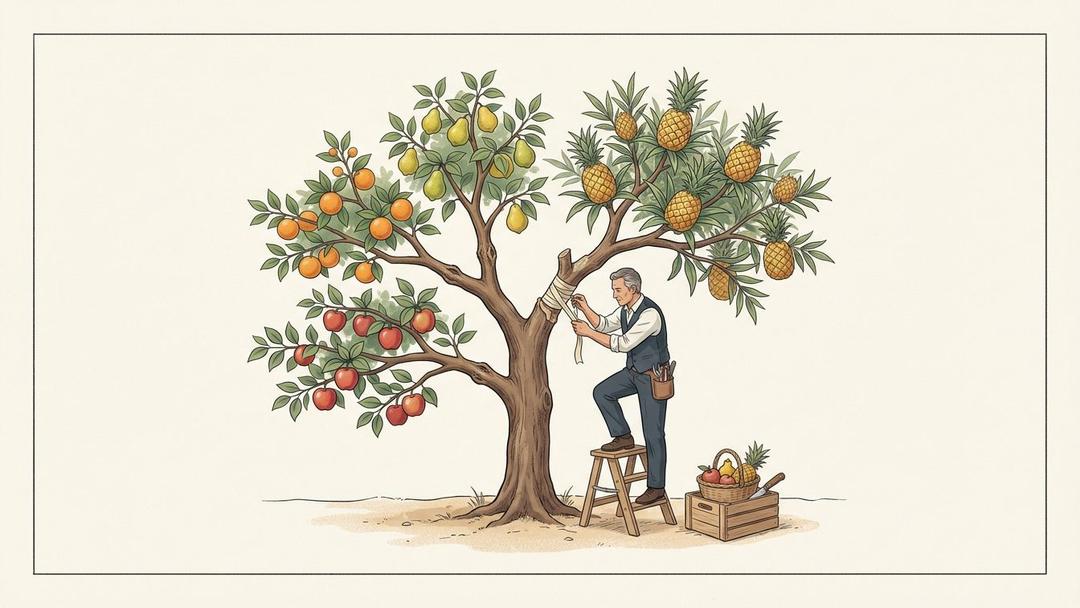
Age is supposed to change your value.
Not everyone is lucky enough to go through life surrounded by people and role models whom they are willing to listen to and who are willing and able to both set a good example and invest in helping them grow and change. Be it through the early deaths of key family members, immigration, relocation, poor choices of friends or partners, or just a general lack of mature people in their lives, not everyone receives the blessing of such support and investment.
Those who do not have such people around them from cradle to grave often miss an important lesson: as they get older and enter each new chapter of life, what makes them smart, valuable, or successful changes. It is not that they become less valuable or more valuable, but that the nature of their value must evolve. How they apply their gifts, resources, and abilities needs to change.
You see this when you meet grown men and women who evaluate themselves based on how they were valued in previous decades but have not developed the skills and perspectives of their more successful peers of the same age. While they are still very talented and successful when evaluated by the standards of a previous life stage, they are often, unknowingly, forced to manage their circumstances rather than create them. They may also sense that they are losing influence but are not sure why.
A simple example is someone who built much of their early success on their ability to overcome difficult circumstances. As they get older and accumulate resources, relationships, and influence, the nature of their value should shift from their ability to overcome difficult circumstances to their ability to create favorable circumstances for themselves and others. Unfortunately, some continue to derive so much of their sense of value from their ability to overcome difficulties that they fail to recognize when they no longer need to subject themselves to them. It is a way to go through life, but it is a hard road with diminishing returns.
For those affected by this, it is frustrating and draining, and it can feel as though they are in a dark forest with no way to orient themselves.
In the corporate world, we tell leaders who are moving up the ranks to think of their progression through the hierarchy as a series of switchbacks on a mountain road. Each turn across the mountain face (each new level in the hierarchy) requires them to rethink how they allocate their time, what they value, and how they evaluate the way things are done, and only then consider what new skills they need to develop. Unfortunately, we don’t have a standard way of describing the analogous shifts that need to occur as people move through the different stages of life.
Luckily, here in the US, our culture encourages people to help strangers and offer guidance to those who make the right kinds of effort. Once you know ‘the dance steps’, you will find that many successful people are willing to share their knowledge and insights. After all, the most successful people in our society are regularly reminded to ‘pay it forward’.
If you are someone who has never heard about these shifts and doesn’t have people around you to guide you through them, I urge you to make a deliberate effort to find those people. While it will not happen overnight, living a good life / living well, like most other things, is a skill that can be developed.
If you are someone who has tried and been unsuccessful in this endeavor, I challenge you to ask yourself:
1. Am I the kind of person others would want to invest in?
2. Am I making things artificially difficult for myself or others and, in doing so, scaring away those who would otherwise invest in me?
3. Do I know how to recognize someone whose guidance is worth listening to?
4. Am I seeking guidance from people who can help me succeed in my current chapter of life, or from people who reinforce what made me successful in the previous one?
Art Efremkin on Judgment & Leverage
Subscribe for perspectives on what's changing in the economy and society, how you and your organization should respond, and how to develop the judgment and leverage to make success deliver on its promise.